Today, we’re going to delve into an important and fascinating topic in the world of skincare: the benefits of retinol for your skin. Retinol is considered one of the most effective ingredients in combating signs of aging and improving overall skin health. Let’s explore together how retinol can be the key to a younger, more radiant complexion.
What is Retinol?
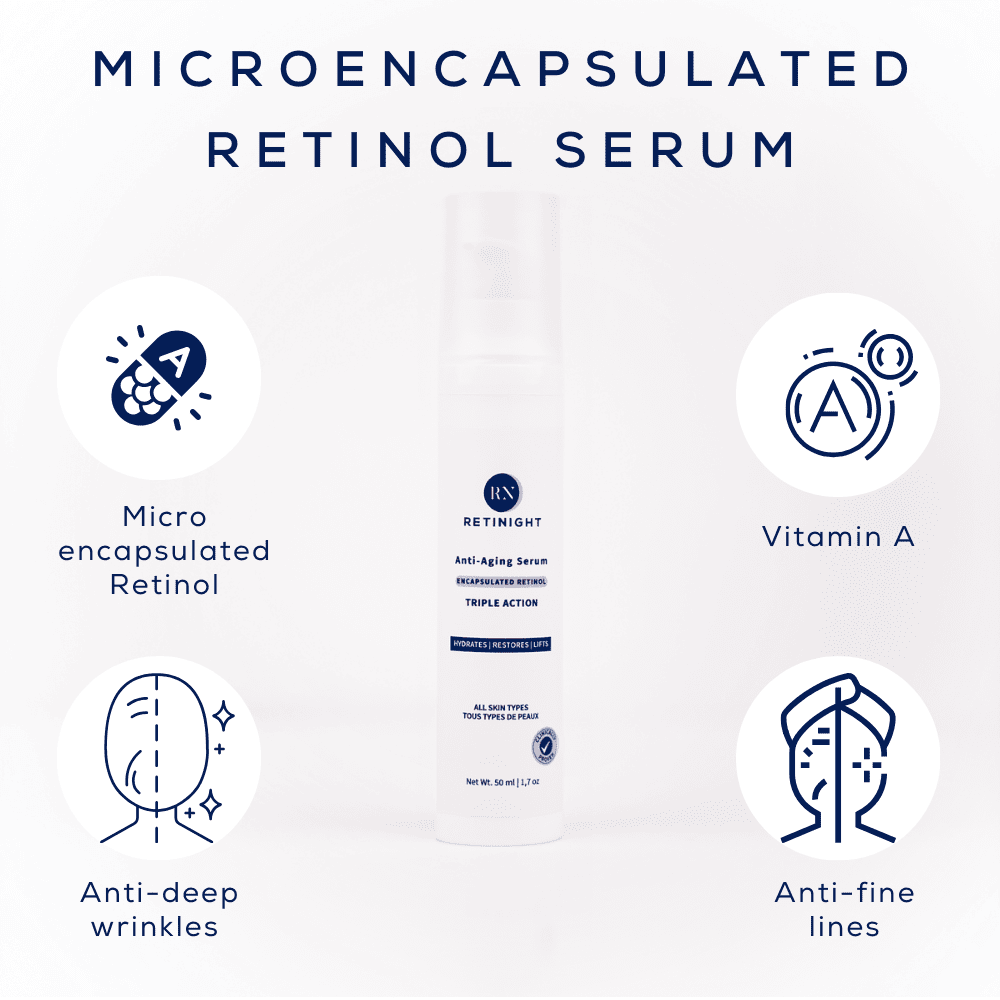
Retinol is a form of vitamin A, an essential nutrient for skin health. It is known for its ability to stimulate collagen production and increase skin cell turnover, making it an ideal ingredient in skincare products aimed at combating signs of aging and improving skin texture.
The Benefits of Retinol for Your Skin
Combatting Wrinkles and Fine Lines
Stimulating Collagen Production: Retinol boosts collagen production, the key protein that gives skin its elasticity and strength. As we age, collagen production decreases, leading to the appearance of wrinkles and fine lines.
Reducing Wrinkles: By promoting cell renewal, retinol helps reduce the appearance of wrinkles and fine lines, making the skin look smoother and younger.
Improving Skin Texture
Exfoliating the Skin: Retinol gently exfoliates the skin, removing dead cells and promoting the growth of new cells. This helps improve skin texture, making it softer.
Brightening the Skin: Retinol helps to even out skin tone and brighten the complexion, making it look more radiant and lively.
Fighting Acne
Regulating Oil Production: Retinol helps regulate oil production in the skin, reducing clogged pores and preventing acne breakouts.
Reducing Inflammation: Thanks to its anti-inflammatory properties, retinol helps reduce skin redness and inflammation caused by acne.
Reducing Dark Spots and Hyperpigmentation
Evening Out Skin Tone: Retinol helps reduce hyperpigmentation and dark spots caused by sun exposure or aging, making the skin more uniform.
Cell Renewal: Retinol promotes skin cell renewal, helping to fade dark spots and improve the overall appearance of the skin.
How to Use Retinol Correctly
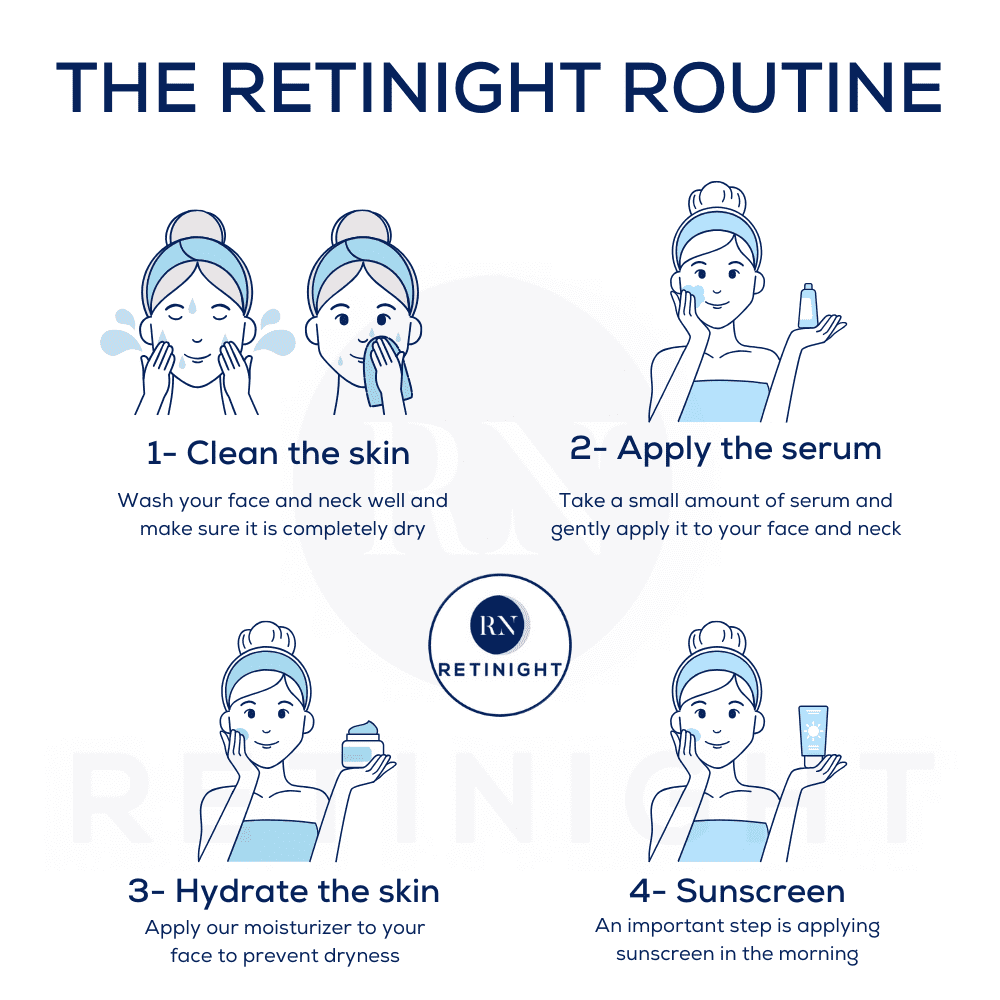
Start Slowly: Begin by using retinol once or twice a week to avoid irritation, then gradually increase the frequency as your skin adapts.
Use a Small Amount: A pea-sized amount is enough to cover the entire face.
Night Routine: Use retinol at night, as it makes the skin more sensitive to sunlight.
Moisturize and Protect: Be sure to use a moisturizer after retinol and apply sunscreen in the morning to protect your skin.
Conclusion
Retinol is a powerful ingredient that can make a significant difference in the health and beauty of your skin. From combatting wrinkles and improving skin texture to reducing acne and evening out skin tone, retinol offers multiple benefits that make it a valuable addition to your skincare routine.
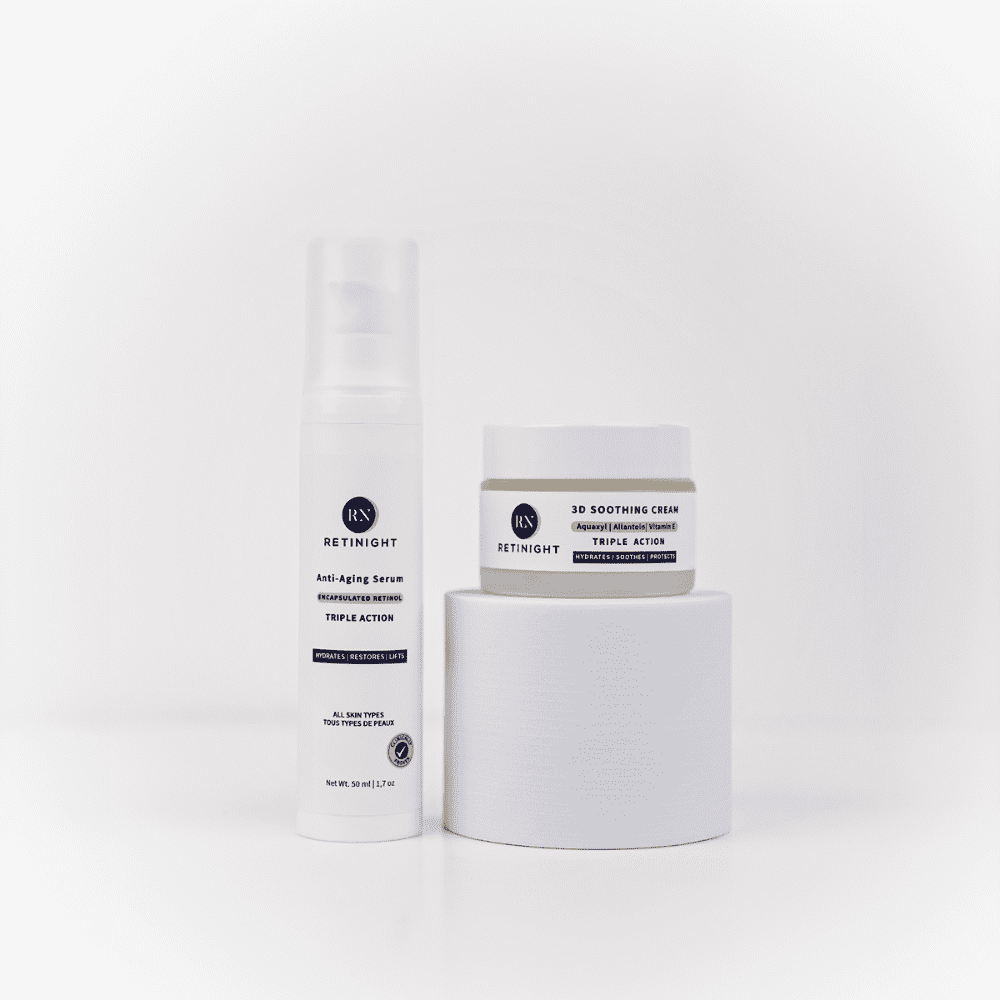
Formulated with a powerful encapsulated retinol, RETINIGHT serum stimulates and accelerates cell regeneration by gently exfoliating damaged cells. Our formula gently smoothes post-acne marks, tightens pores and evens skin tone while restoring the skin barrier.
يتكون مصل RETINIGHT من مركب الريتينول المغلف القوي، وهو يحفز ويسرع تجديد الخلايا عن طريق تقشير الخلايا التالفة بلطف.تعمل تركيبتنا على تنعيم علامات ما بعد حب الشباب بلطف، وتشديد المسام وتوحيد لون البشرة مع استعادة حاجز الجلد.